







Search Results for: causes of bitterness and astringency
Where Does Coffee Astringency Come From? How to Solve Sour-Astringency and Bitterness Through Brewing Adjustments
When drinking coffee, a numb tongue and dry mouth—this rough tactile sensation is astringency. Astringency is not a taste but a tactile feedback caused by friction between the coffee liquid and the oral cavity. Its root lies in the excessive release of polyphenolic compounds in coffee beans—especially chlorogenic acid—which bind with salivary proteins and weaken lubrication. Astringency often interweaves with acidity and bitterness, forming sour-astringent or bitter-astringent notes. This article will begin with the causes of astringency, explain its relationship with extraction state, analyze which astringency counts as a quality characteristic, as well as the astringency that green beans themselves may bring, and offer specific ideas for improvement by adjusting extraction efficiency. [more…]
Why Does Pour-Over Coffee Taste Astringent? An Analysis of Causes and Improvement Directions from Green Beans to Extraction
When drinking coffee, you may occasionally encounter an unpleasant experience that isn't smooth enough and has a slightly sandy mouthfeel—this is what we commonly call astringency. Where exactly does astringency come from? It may originate from the cultivation and processing of green beans, and may also be closely related to roasting, the mixing in of defective beans, and brewing parameters and techniques. This article will start from the material basis of astringency, sort out the difference between positive and negative astringency, analyze the two major brewing causes of over-extraction and uneven extraction, and also clarify the differences between astringency, tea-like character, and a dry sensation, finally offering practical adjustment ideas. The article also retains relevant product and recommendation information from Front Street Coffee, making it convenient for coffee lovers to refer to in daily brewing. [more…]

Why Does Pour-Over Coffee Taste Astringent? From the Principles of Touch to Brewing Details, a Complete Explanation of the Sources of Astringency and How to Avoid It
When many people drink a cup of coffee, they can sense an unpleasant astringency from the very first sip—that rough, gritty tactile sensation that grips the tongue and throat often leaves a stronger impression than sweetness, acidity, or bitterness. Where exactly does astringency come from? Is it a problem with the beans, or has something gone wrong in the brewing process? From the perspective of Front Street, this article first clarifies the essence of astringency as a tactile sensation, then breaks down common causes one by one—such as overly long brewing time, excessively forceful water flow, and the high extraction efficiency of certain drippers—and offers corresponding adjustment ideas to help you fundamentally reduce the unpleasant astringent taste in coffee. [more…]

Analysis of the Causes of Astringency and Bitterness in Pour-Over Coffee, Improvement Methods, and Recommended Coffee Beans That Aren't Astringent
A good cup of coffee should be smooth and mellow, but sometimes we taste a rough, astringent sensation akin to chewing on grape skins. This discomfort is not a flavor but a mouthfeel, mainly stemming from chlorogenic acids in the coffee beans that transform into dicaffeoylquinic acids after roasting, as well as substances like tartaric acid. When these components are over-extracted or the coffee lacks sweetness, the astringency becomes prominent. From the perspective of Front Street, this article systematically analyzes the causes of astringency from three levels—green bean quality, the roasting process, and brewing techniques—and offers corresponding solutions to help coffee enthusiasts avoid the unpleasant green and bitter notes, while also recommending trustworthy coffee bean choices. [more…]
Why Is Pour-Over Coffee Sour, Astringent, or Bitter? A Complete Guide to Analyzing the Causes and Adjusting Your Technique
Many people think that pour-over coffee has a low barrier to entry, but once they take a sip and find it tastes sour, bitter, or astringent, they realize that brewing a good cup of coffee is actually not easy. Whether you are a beginner just getting into pour-over or an experienced coffee enthusiast, it is inevitable to run into a cup that does not suit your taste. Starting from the principles of extraction, this article analyzes one by one the common reasons why coffee turns out too sour or too bitter, and offers specific adjustment suggestions on grind size, water temperature, coffee-to-water ratio, pouring technique, and dripper selection. It also combines the brewing parameters of two beans—Front Street Coffee Colombia Sidra and Front Street Coffee Golden Mandheling—to help you consistently brew a cup of good coffee at home with balanced acidity and sweetness and a clean mouthfeel. [more…]
A Complete Guide to Analyzing the Causes of Astringency in Pour-Over Coffee and Adjustment Methods for Brewing
When many people drink a cup of coffee, they often find it hard to describe its specific flavors, but if a distinct astringency appears, almost everyone can notice it immediately. Front Street's back office frequently receives reader questions: even when the brewing parameters are all within plan, why does the coffee make the throat feel tight and the tongue feel rough? This article will start from the essence of astringency, sort out the sources of astringent substances in coffee, analyze the common brewing problems that cause astringency, and provide targeted adjustment solutions to help you fundamentally avoid an uncomfortable cup of coffee. [more…]
Analysis of the Causes of Under-Extraction and Over-Extraction in Pour-Over Coffee and a Guide to Brewing Adjustment Methods
In the practice of pour-over coffee, under-extraction and over-extraction are two common yet frustrating situations. The former makes coffee sour, astringent, and thin, while the latter brings burnt bitterness and off-flavors. To solve these problems, one must first understand the principles of extraction—the process in which water passes through the coffee grounds and dissolves out flavor compounds. The ideal "Golden Cup" extraction requires concentration to fall between 1.2 and 1.4 TDS, with an extraction yield maintained at 18% to 22%. Exceeding or falling short of this range corresponds to over-extraction and under-extraction, respectively. This article will analyze the causes one by one from aspects such as coffee bean selection, brewing duration, pouring technique, and dripper material, and provide specific adjustment suggestions to help you achieve a balanced flavor more consistently in pour-over brewing. [more…]
Analysis of the Causes of Burnt, Bitter, and Astringent Flavors in Pour-Over Coffee and Corresponding Adjustment Methods
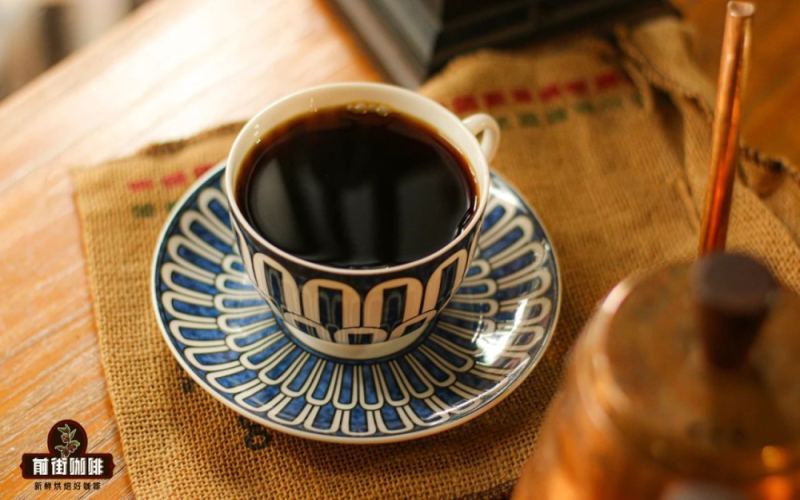
Many coffee enthusiasts who brew pour-over at home often run into the problem of coffee tasting bitter or even showing burnt, astringent notes. This bitterness may come from the roast profile of the beans themselves, and it can also be closely tied to how long the beans have been stored, the grind size, the proportion of fines, and the brewing water temperature. Drawing on the hands-on experience of Front Street Coffee, this article analyzes four common causes of bitterness one by one and offers concrete, actionable adjustments—including how to choose beans based on flavor descriptions, how to judge the optimal flavor window, how to calibrate grind size, and how to troubleshoot water temperature issues—to help you pinpoint the problem more accurately and brew a smoother pour-over coffee. [more…]
The core difference between under-extraction and over-extraction, and how to adjust parameters accordingly when brewing pour-over coffee
Extraction is the core stage of pour-over coffee, but many enthusiasts are often troubled by under-extraction and over-extraction. Starting from the basic principles of extraction, this article explains the standard range of the Golden Cup extraction and provides a detailed comparison of the specific flavor and mouthfeel manifestations of these two imbalanced states. It then addresses common issues such as excessively long brewing time, improper pouring force, and the influence of dripper material, offering actionable adjustment suggestions one by one, including grind size corrections, water stream control, and fine-tuning of water temperature, to help you achieve a balanced and delicious cup of coffee more consistently in your daily pour-over brewing. [more…]
Is coffee sourness a sign of spoilage or a flavor characteristic? Analyzing the causes of acidity in African beans and the effects of roasting and extraction
Many friends who are new to specialty coffee often wonder: if coffee tastes sour, has it gone bad? In fact, sourness is not synonymous with spoilage, but rather a highly prized flavor dimension in specialty coffee. Drawing on the practical experience of Front Street Coffee, this article systematically sorts out the sources of coffee acidity, distinguishes good acidity from bad, and analyzes how factors such as roast level, grind size, water temperature, and brewing time affect the expression of acidity. At the same time, the article also introduces several African-origin coffee beans known for their bright fruity acidity, helping readers build a correct understanding of coffee sourness and stop confusing acidity with spoilage. [more…]
Typical signals, causes, and countermeasures of over-extracted coffee, and whether coffee grounds can be re-brewed
When many people drink a cup of coffee that tastes on the bitter side, their first reaction is, "Has this cup been over-extracted?" But bitterness cannot be directly equated with over-extraction. This article focuses on over-extraction, first explaining what it is—according to the Golden Cup theory and Front Street Coffee's daily practice, an extraction yield above 22% is considered over-extraction; then, from a sensory perspective, it outlines the three typical manifestations of over-extracted coffee: burnt bitterness, astringent bitterness, and off-flavors, and analyzes their causes one by one, such as water temperature being too high, grinding being too fine, contact time being too long, stirring being too vigorous, and too many fines. Finally, it offers two practical ways to avoid it: adjusting the brewing parameters and discarding the tail end of the brew, while also addressing the question of whether coffee can be brewed repeatedly, helping coffee lovers judge and improve their brewing results more accurately. [more…]

Is your pour-over coffee bitter and astringent? Understand the three causes of over-extraction and dial in your grind, time, and water temperature.
Does your pour-over coffee taste bitter and muddled? The problem is very likely over-extraction. The soluble substances in coffee beans make up about 30%, and among them are components that bring bitterness, astringency, and off-flavors. Once extraction goes too far, these negative flavors are released in large amounts. In this article, Front Street Coffee will walk you through the nature of over-extraction and, starting from the three key dimensions of grind size, extraction time, and water temperature, explain how to troubleshoot and correct coffee that has turned bitter, including how to use a No. 20 sieve to judge grind coarseness, how to control duration with the dripper and pouring rhythm, and the suitable water temperature ranges for different roast levels, helping you steadily brew a clean, balanced, and delicious cup of coffee. [more…]
Why Is Light-Roast Coffee Prone to Astringency? A Comprehensive Analysis from Causes to Brewing Parameters for Astringency Control
Have you ever experienced a gripping, astringent sensation in your mouth when tasting a light roast coffee? This tactile experience, known as astringency, is in fact closely related to the polyphenolic compounds in coffee. Starting from the essence of astringency, this article will analyze in detail its sources—how components such as tannic acid, tartaric acid, and quinic acid accumulate in the cup—explore the effects of roast level, variety, and processing method on the content of astringent substances, and take a deep dive into the two major brewing pitfalls: under-extraction and over-extraction. Finally, using a washed Yirgacheffe Gedingding as an example, Front Street Coffee will share a brewing recipe that avoids astringency and fully brings out the floral and fruity notes of light-roasted beans. [more…]
Why Does Pour-Over Coffee Taste Sour, Bitter, or Astringent? A Detailed Explanation of Over-Extraction and Under-Extraction: Causes and Adjustment Methods
The flavor imbalance of pour-over coffee often stems from problems in the extraction process. Over-extraction makes coffee bitter and muddled, while under-extraction results in a thin, sharply acidic cup. Starting from the basic concepts of extraction, this article systematically sorts out the causes and manifestations of over-extraction and under-extraction, and, drawing on specific beans such as Front Street. Indonesian Mandheling, Front Street. Brazil Queen's Estate, Front Street. Jamaican Blue Mountain, Front Street. Natural Huakui, Front Street. Hacienda La Esmeralda Green Label Geisha, and Front Street. Kenyan Small Tomato, explains how water temperature, grind size, coffee-to-water ratio, and brewing time should work together, helping coffee lovers pinpoint the problem and brew a balanced, delicious pour-over coffee. [more…]

Analyzing the Causes of Astringency in Pour-Over Coffee: Under-Extraction or Over-Extraction? Brewing Parameters and Operational Tips for Light-Roasted Beans
Many coffee enthusiasts encounter astringency in their coffee during pour-over brewing. Some believe this is a matter of bean quality, but in reality, the brewing process is often the key factor. Starting from the causes of astringency, this article analyzes the relationship between polyphenolic compounds and the degree of extraction, explaining why under-extraction is more likely to cause pronounced astringency. At the same time, for light-roasted coffee beans, it provides a reference brewing parameter scheme, including key points such as coffee dose, coffee-to-water ratio, water temperature, grind size, and extraction time. Combined with the example of Front Street Coffee Yirgacheffe Gutingding, it helps readers understand how to improve coffee flavor by adjusting parameters. [more…]

What exactly does "tea-like" mean in coffee tasting? From sweet aftertaste and salivation to astringency analysis, interpreting the difference between tea-like and astringent sensations
In coffee flavor descriptions, "tea-like" is a concept widely used in China yet constantly debated. Some people understand it as the aroma of a certain kind of tea, some think it is simply the astringency that returns in the mouth, and still others categorize it as a lingering finish reminiscent of tea broth. This article begins with the bitterness and astringency of tea, then sorts through the causes of sweetness returning and saliva being produced, and next draws on the principle of retronasal olfaction to explain why coffee can bring out a tea-like quality, while also clarifying that tea-like and astringent are not equivalent. The article also combines tasting examples from several Front Street Coffee beans to show that the very same "tea-like" quality may be defined very differently in each person's mind. [more…]
Can you drink black tea if you have a sensitive stomach? Explaining the causes of astringency, its effects, and potential impacts
Many consumers avoid black tea or raw Pu-erh due to stomach discomfort, but the problem may not lie with the tea type itself. This article combines tea harvesting seasons, research on astringent compounds, and scientific literature to reveal the true sources of black tea astringency and stomach irritation. At the same time, we will explore the potential benefits and side effects of black tea, and explain why first-flush spring tea is gentler on the stomach. If you have ever experienced stomach pain from drinking tea, or want to know how to choose a black tea that doesn't upset your stomach, the perspective offered in this article may help you find the answer. Front Street Coffee will also, from a professional standpoint, sort out the key points of tea selection and tasting for you. [more…]
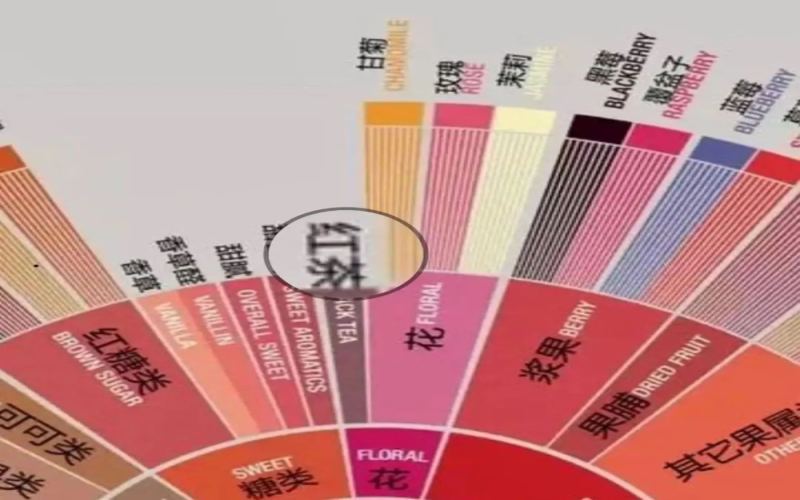
Where does the tea-like note in coffee flavor come from? Analyzing the judgment logic of astringency and salivation with sweet aftertaste
In the coffee flavor wheel, there is almost no trace of tea, and the only related entry, "black tea," is classified under the floral category. Yet in the flavor descriptions of coffee beans sold domestically, words such as green tea, black tea, and oolong tea are extremely common. How exactly should tea-like notes be judged? Is astringency equivalent to tea-like notes? Starting from the mechanisms of tea polyphenols and glycosides, this article distinguishes positive astringency from negative astringency, analyzes how organic acids bring about mouth-watering and sweet aftertaste, and, combined with the tasting experience of several Front Street Coffee beans, explains the specific expression of different tea-like flavors in coffee, as well as why domestic coffee beans prefer to use tea-like notes as a descriptor. [more…]
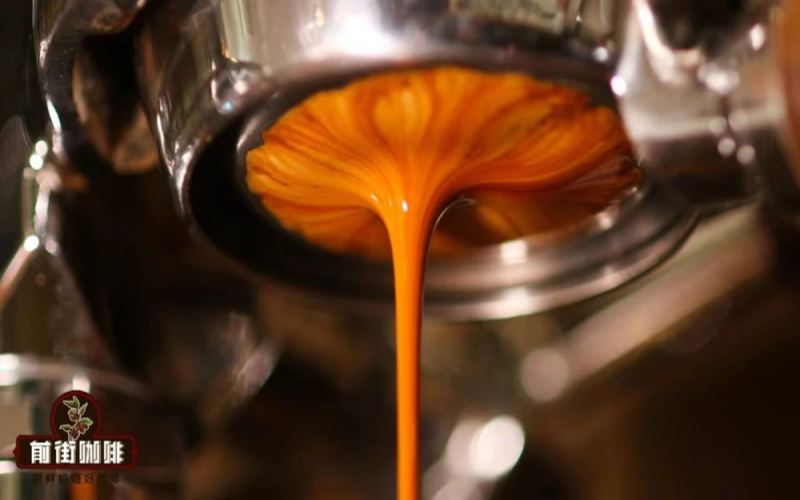
Analyzing the Causes of Espresso Channeling: Distribution and Tamping Techniques, and Solutions for Over-Extraction Bitterness and Astringency
Extracting a qualified espresso is the foundation for making all espresso-based coffee drinks. Espresso can multiply the strengths of coffee beans while also magnifying their flaws without reservation. In practice, the source of many flavor problems points to the same phenomenon—channeling. It doesn't occur rarely; once it happens, hot water concentrates through the puck along paths of lower resistance, creating a situation where localized over-extraction and localized under-extraction coexist, ultimately giving the coffee burnt, bitter, astringent, and other off-flavors. This article will explore several aspects including coffee bean selection, the definition and manifestations of channeling, and optimization techniques for distribution and tamping, to help coffee enthusiasts understand why channeling occurs and how to effectively avoid it in daily brewing, thereby consistently producing a delicious espresso. [more…]

Why does pour-over coffee become sour and astringent after cooling? Analyzing three reasons for flavor changes and the ideal drinking temperature
A freshly brewed pour-over coffee is full of aroma and smooth on the palate, but after sitting for half an hour it turns sour, astringent, and muddled—what's going on? In fact, coffee naturally presents different flavors at different temperatures, and during tasting it is often divided into three stages: hot, medium, and cool. A good cup of coffee can usually withstand all three temperature stages, but once it has fully cooled, the flavor goes beyond the normal tasting range. From Front Street's perspective, this article breaks down the root causes of coffee turning sour and developing astringent, muddled notes after cooling—including differences in how human senses perceive sourness, sweetness, and bitterness, the impact of aroma volatilization, and the three key mechanisms of oil oxidation, pigment oxidative polymerization, and condensation—and tells you the most suitable temperature for drinking coffee, helping you better capture the best flavor of every cup. [more…]